

Where pop culture meets psychology.
Mind Over Chatter is a youth-led space where film, television, and other digital media become a doorway into psychology. Through the characters and stories we see on screen, we make difficult conversations about mental health easier to start.
18M+ Impressions · NAMI National Partner · Audience in 130+ Countries
Core Overview

Peer-Based Modular Curriculum
Modules led by students that use scenes from film, television, and other digital media to introduce practical emotional vocabulary and apply these insights to real-life situations.

Long-Form Media Analysis
In-depth essays that examine how pop culture portrays psychological experiences, encouraging readers to critically interpret the narratives that shape public understanding of mental health.

Short-Form Video Analysis
Concise video breakdowns that translate psychological ideas into accessible bites, distributed right on the social media platforms that youth engage with most.
Featured Explainers
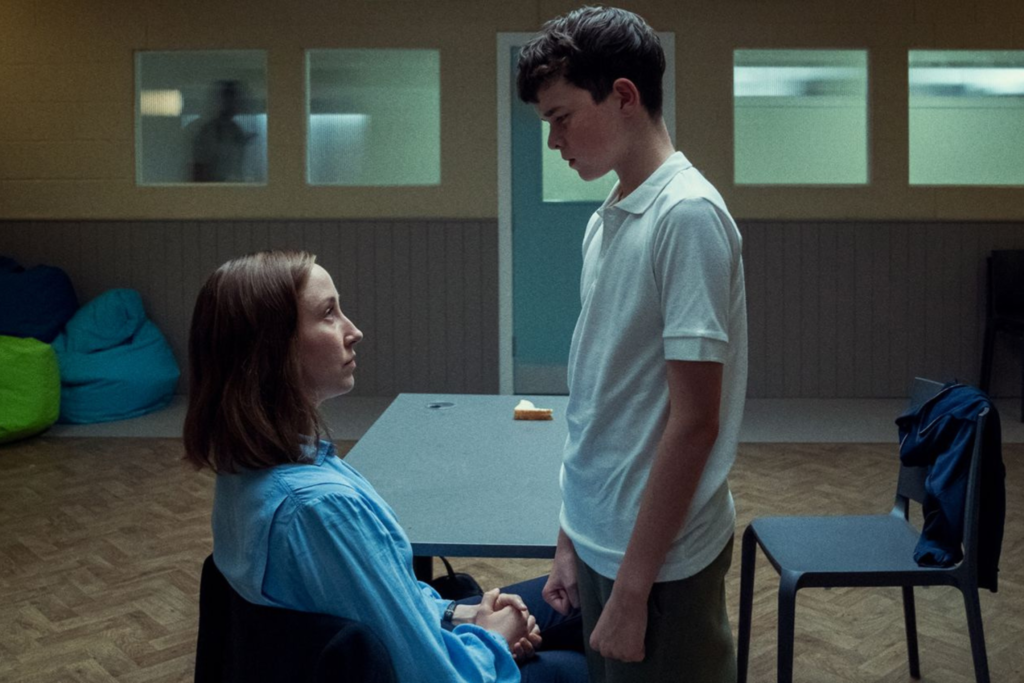
Adolescence is an autopsy of modern boyhood.
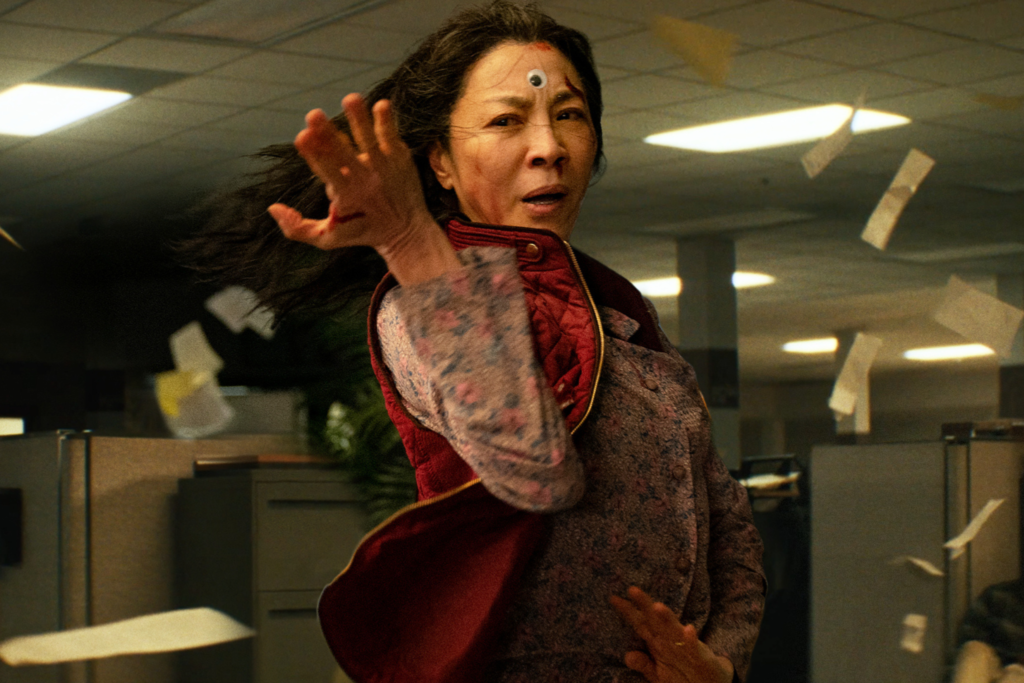
Everything Everywhere All at Once, an ADHD manifesto.
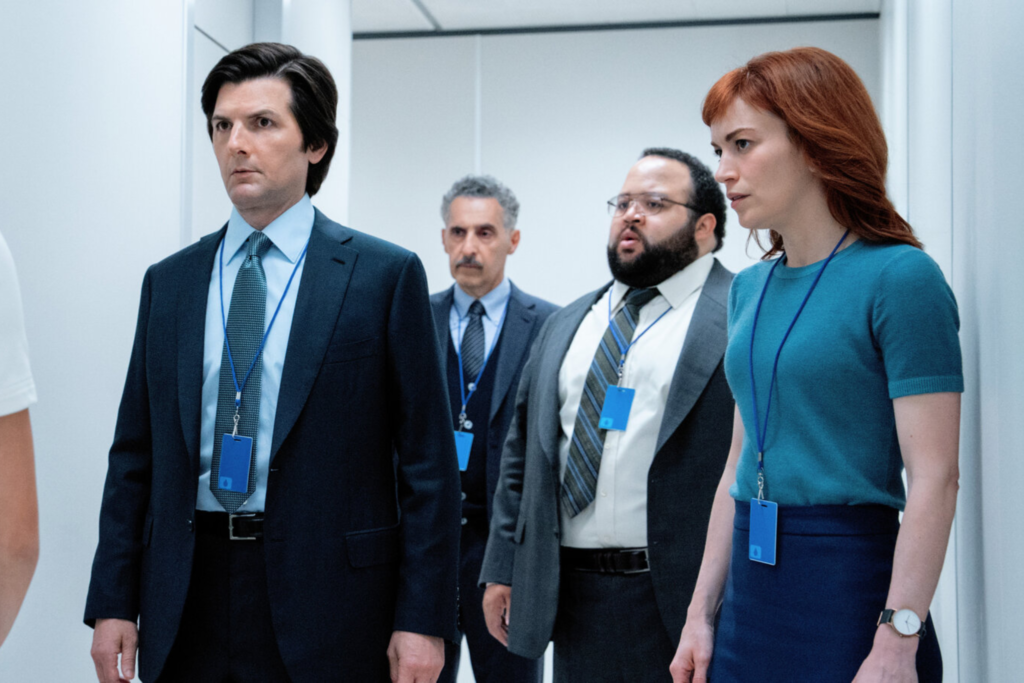
Memory, as institutional property in Severance.
Why Pop Culture Works
Stories give us a shared language for complex ideas. When we talk about a hero’s a villain’s motivations, or a hero’s resilience, we’re really talking about human behavior. Pop culture makes psychological concepts easier to approach, discuss, and remember.
Familiar entry point
Students already engage deeply with film, television, and internet culture. Using stories they recognize makes psychological ideas easier to explore.
Distance for difficult topics
Talking about characters allows people to examine mental health themes without the pressure of personal disclosure.
Builds critical thinking
Analyzing media helps students recognize how narratives, stereotypes, and emotional storytelling shape our understanding of mental health.
Our Impact
Keep up with the conversation.
Thank you for signing up.
