
curriculum
Mind Over Chatter offers a media-based mental health literacy curriculum that helps middle and high school students interpret what they watch through a psychology lens, building critical thinking, emotional vocabulary, and practical tools they can use in real life. Interested in bringing Mind Over Chatter curriculum to your school district? Contact us.
The curriculum is designed to be delivered in a flexible workshop format lasting from 30 to 120 minutes total, depending on the setting and the number of modules selected. Sessions can be implemented as a single standalone workshop or as a short series, making it easy to integrate into student clubs, advisory periods, or full instructional class blocks without requiring major schedule changes. Facilitators can scale the session up for larger groups or keep it small for more discussion-heavy environments, and the structure emphasizes repeat implementation for long-term sustainability.
This curriculum has been implemented in school-based settings and is designed for straightforward adoption by student leaders, clubs, or educators. In practice, the full program functions as a multi-module series but can be adapted single-session introduction depending on the time available and needs of the group. To date, delivery has reached over 1,100 students through facilitated sessions. Although it was developed in Alabama, the structure is intentionally portable and especially looking to expand its participation outside of the state. The modules are designed to translate to any school or community context without relying on programs or resources specific to Alabama.

Curriculum Modules
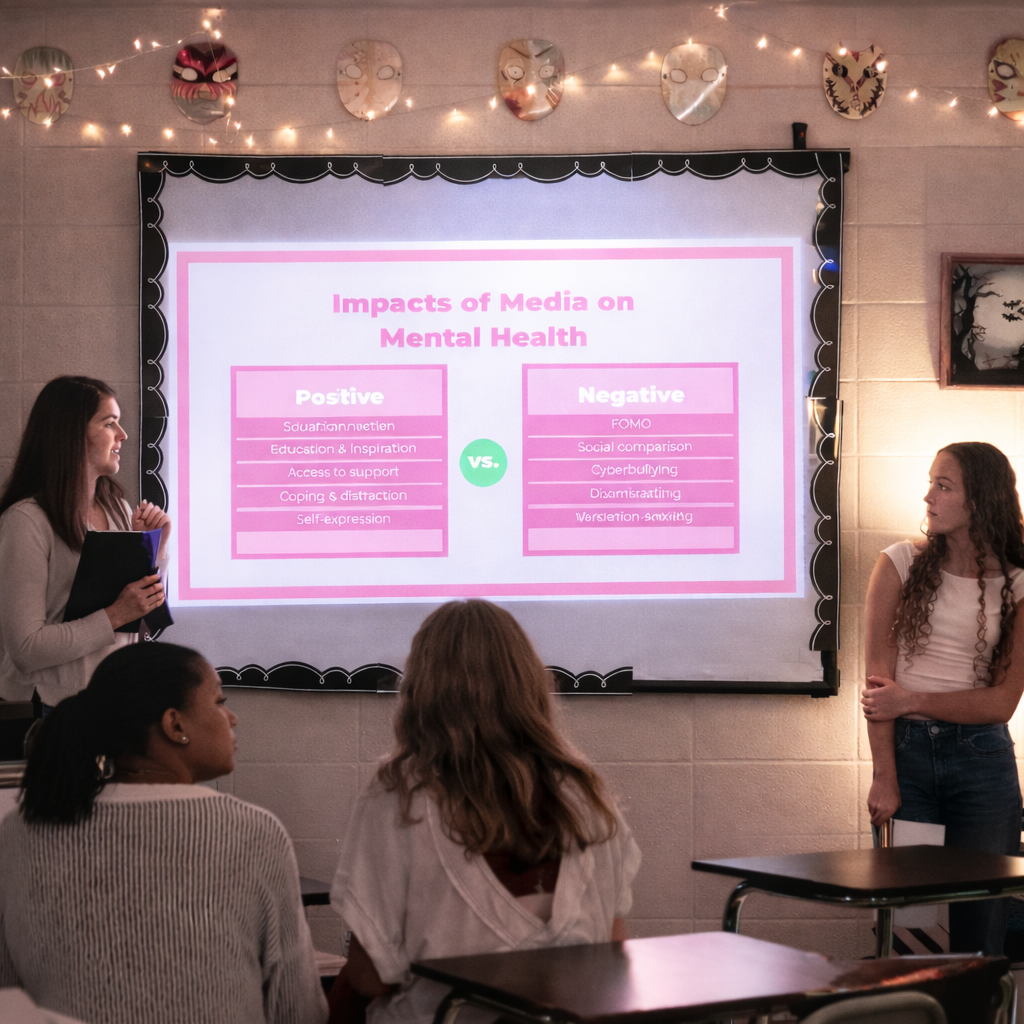
Media and Mental Health Literacy
Learn about the nuanced impact that digital entertainment can have in reinforcing both positive and negative mechanisms for adolescents.
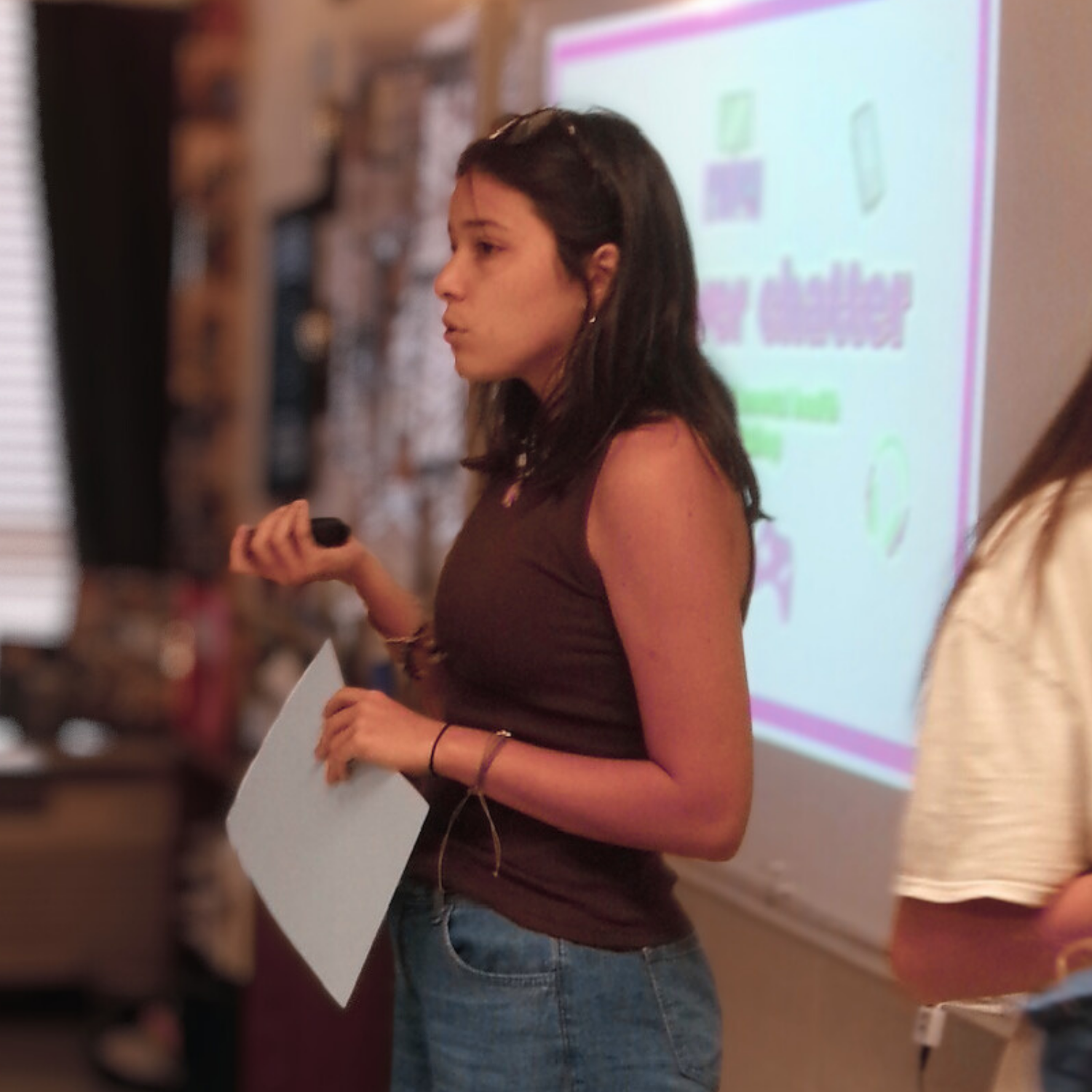
Identity and Self-Concept
Characters and representation become a mirror for self-image and belonging, we discuss how to spot pressure to way you see yourself and your role with other people.
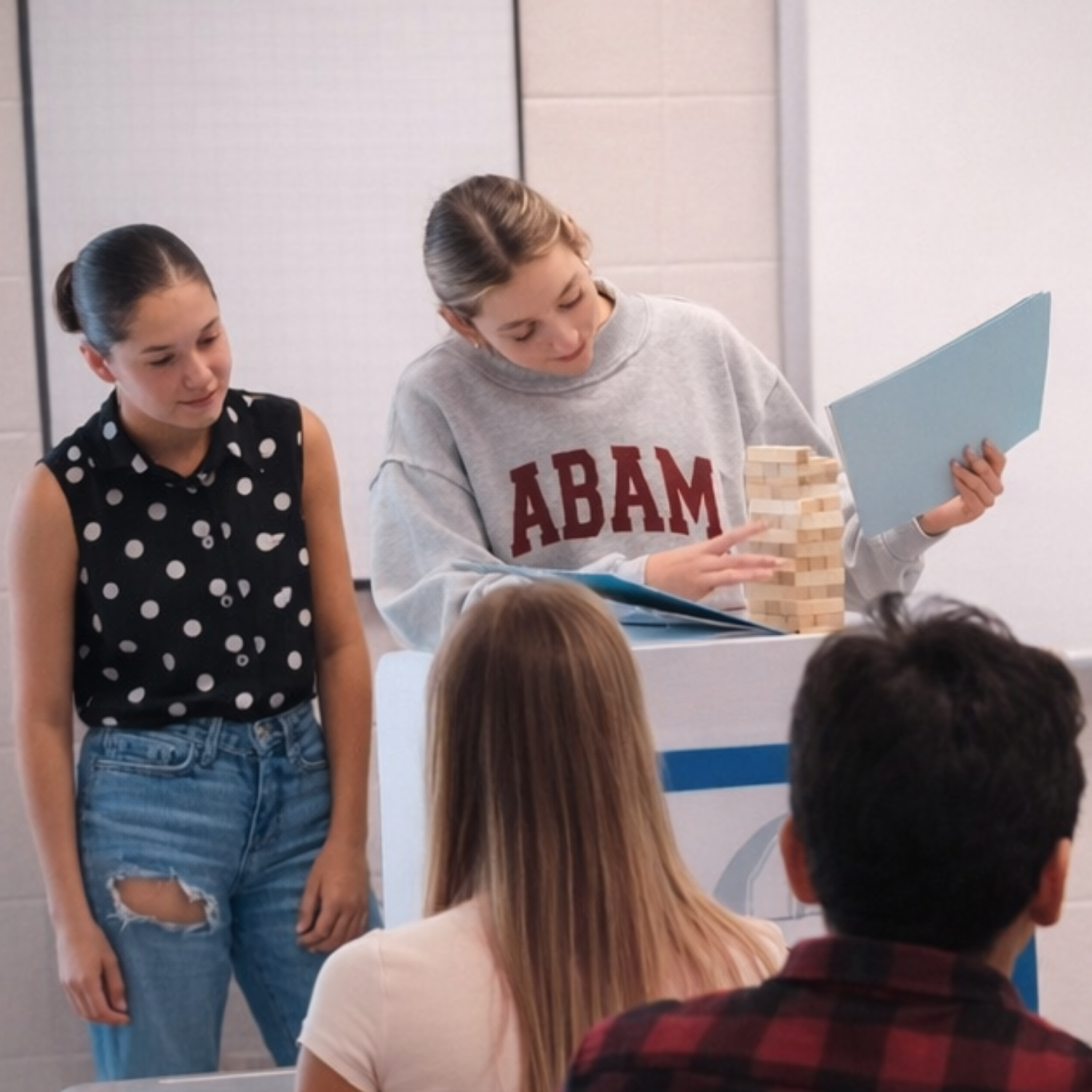
Coping and Resilience
We practice realistic coping strategies and build resilience skills you can use under pressure and after setbacks.

Relationships and Attachment
Use on-screen dynamics to understand factors that drive conflict then reflect on how to set boundaries and improve communication.
Building a Personal Toolkit
Leave with a critical consciousness to recognize how media shapes perception, and with a practical plan for mental health improvement that sticks.
Our Facilitation Toolkit is a guide that makes the Peer-Based Modular Curriculum easy to deliver consistently in clubs, advisory blocks, or full class periods. It includes session run-of-show options, scripts, activity prompts, safety protocol, and module implementation steps. It is built for student facilitators and equally usable by adults.